My through-hike on the John Muir Trail had turned into a soggy slog. It rained for nine consecutive days and nights. Every morning I had to pack up wet, and then hope there would be some sunshine later on in the day to dry things out.
by Leon Pantenburg
In spite of a soaking wet experience on the John Muir Trail, things were not grim and depressing. You can’t appreciate how a sunny afternoon can cheer you up until you need to dry out all your gear. And there is nothing like rain to make you appreciate the lack of precipitation. I didn’t let the weather detract from the incredible mountain scenery on the John Muir, and whole journey is one of my most cherished outdoor memories.
After decades of backpacking and scouting in all weather, I have learned some ways to cope with the rain while camping. (Check out: Ten tips for finding a safe campsite.)
HOW TO CAMP COMFORTABLY IN THE RAIN
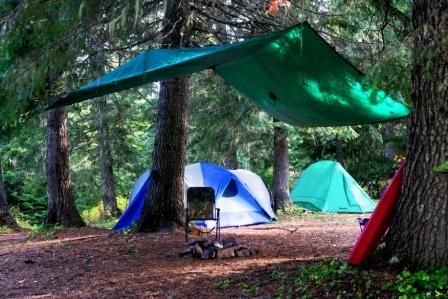
1. Go in spite of the weather: Some of the most enlightening camping is when the bad weather happens and you get to test your equipment and skills and learn how to stay comfortable. Look upon camping as a way to train for an emergency evacuation after a natural disaster.
2. Take tarps: The first key to a successful rainy camp is to know how to pitch tarp shelters. You may have great tents, but nobody wants to sit in one all day to stay dry. I like to pitch a main tarp over the picnic table (if available) for a dining/games area, and another as a place to sit and read. Create your dry compound for cooking and hanging out. A multitude of smaller tarp shelters around camp can allow the kids to have their own, and the adults to be able sit around and talk. Pitch the tarps first thing.
The best knots for stringing up a tarp.
3. Use lots of plastic bags: I always pack gear and clothing in various sizes of plastic bags. Large trash bags and heavy ziplocks allow you to cover just about anything. The 2-1/2 gallon ziplocks are particularly useful. My backpack is water resistant, and has a cover, so just about everything has two layers of waterproofing. But, I’m not too good to throw my gear in a black plastic garbage bag for safe keeping through a storm. For a quick solution, cut a hole in the top of a large black garbage bag and throw it over your head. (Watch the kids very carefully around plastic bags. No joke here!)
4. Choose good rain gear: You can choose between a poncho or rain jacket and pants, but they must be good quality. A cheap set is wasted money and you’ll regret pinching pennies. I wear a poncho while hiking in the rain because it releases water vapor generated from sweating. But a rain suit if better if you are are canoeing or sitting in a boat. Here’s how to make the best choice for your needs.
5. Dress correctly: No cotton. Once it gets wet, it stays cold and clammy. Instead, layer lightweight nylon clothing and synthetic underwear in the warmer months and switch to wool and polypropylene layers in the winter. Take dry-quick clothes – dead stop.
6. Stay warm: Even in the summer, an overcast, rainy day can be uncomfortably cold and possibly dangerous. My standard clothing for any time of year starts with a set of polypropylene underwear. It wicks away moisture and is a great start toward staying comfortable. Almost any climate can end with hypothermia when it gets below 75 degrees and you’re in wet clothes.
Choose the right sleeping bag. Down is worthless when wet, and can be very hard to dry out. A good synthetic bag, such as I had on the John Muir Trial, will keep you warn when wet, and dry out quickly.
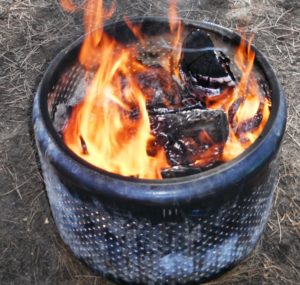
7. Contain your campfire: A campfire can make a rainy campsite fun. But make sure it’s safe, and that it won’t spread. I really like the steel dryer baskets for do-it-yourself campfires. Whatever you use, make sure your tarp over it is a minimum of seven or eight feet high and the heat stays low. Test the heat and test it again. In fact, constantly tending to small fires under tarps is your best best. Set up shifts for everyone to take turns never leaving the fire unattended. You do not want burnt plastic falling on anyone. The other safe, rainy-day solution is a portable propane fire pit.
8. Take a good stove: When your stove doesn’t work, life gets grim. Cooking in the rain means using either a gas or alcohol stove or a wood fired stove. Get one that lights easily and stays lit. Hot drinks are a great way to make the day look brighter.
9. Pack morale builders: Reading a good book by lantern light under a tarp in the rain is my idea of time well spent. A deck of cards, or some sort of board game can also go over really well. Think about this: You have an opportunity to bond with other family members and hang out. Make sure you pitch a tarp over the picnic table.
10. Enjoy the experience: If you’ve prepared for wet weather, you won’t be uncomfortable. If you are hiking or canoeing, haul out the rain gear when rain threatens – don’t wait for the water to fall. Stay prepared for rain, and it doesn’t become an emergency. It is the coldest, wettest, most challenging outings you will remember most fondly.
FINAL TIP: Before heading out, do a final gear check and replace worn essentials before they fail in bad weather. Reliable tarps, dry bags, and extra layers can turn a miserable trip into a comfortable adventure. Outdoor campers looking for dependable backup supplies and budget-friendly equipment often browse used sporting goods stores or online outlets for practical gear built for unpredictable conditions during extended outings. It’s fun the browse and look for amazing deals.
Today, I seldom let the weather cancel an outing. Rain doesn’t ruin an outdoor adventure – it is part of greater experience. Life is too short to choose an afternoon in front of the TV over being outside – don’t let a little rain spoil your outing.
Please click here to check out and subscribe to the SurvivalCommonSense.com YouTube channel – thanks!